Was motiviert die Künstler von Shen Yun?
Die Hingabe, die diese Künstler für ihre Arbeit aufbringen, ist nicht jedermanns Sache. Hier erfahren Sie, warum sie diesen Weg gingen.
Wenn man von den Zuschauerplätzen aus zu den Tänzern auf der Bühne aufblickt und dabei der Musik des Orchesters lauscht, ist die künstlerische Brillanz der Shen-Yun-Darsteller unbestreitbar, ja sogar beeindruckend. Aber obwohl sie über gewisse angeborene körperliche Talente und über ein gewisses Temperament verfügen, mussten sie unzählige Stunden trainieren und große und kleine Opfer bringen, um dieses Niveau zu erreichen.
Es ist kein leichtes Leben. Sie stehen früh auf, um zu trainieren. Sie treiben ihren Körper zu bemerkenswerten Höchstleistungen und ihren Geist zu höchster Konzentration. Wie Profisportler oder Tourneemusiker verbringen sie Monate auf Reisen, fern von ihren Lieben, in fremden Städten, ständig unterwegs zwischen Theatern, Flughäfen und Hotels. Wenn die Tournee endlich vorbei ist, gönnen sie sich ihren wohlverdienten Urlaub – in der Regel wieder auf Reisen –, bevor sie sich daran machen, eine neue Produktion von Grund auf vorzubereiten.
Warum tun sie das?
Die Antwort lässt sich auf drei Faktoren zusammenfassen: einen gemeinsamen Glauben, die akute Verfolgung in China sowie das Streben nach künstlerischer Exzellenz.
„Unser Hauptsitz in New York ist wie eine Kombination aus Juilliard und einer katholischen Schule“, sagt Ying Chen. Die in China geborene Dirigentin und Vizepräsidentin von Shen Yun erklärt: „Einerseits ist es ein Ort, an dem Spitzenkünstler ihr Handwerk perfektionieren und in einer eng verbundenen Gemeinschaft zusammenarbeiten, um ihr Können zu verbessern. Andererseits ist es ein Ort, der von religiösen Überzeugungen und einem moralischen Kompass geleitet wird.“
Der aus Polen stammende Erste Tänzer Piotr Huang begann seine Ausbildung als Teenager – zunächst als Schüler der Fei Tian Academy of the Arts, und setzte sie später am Fei Tian College fort. Beide Schulen teilen sich das Gelände und die Ausbildungsräume mit Shen Yun in New York. Er ist einer der erfahrensten Darsteller und langjährigen Stars des Ensembles.
„Was wir tun und warum wir es tun, ergibto viel Sinn, wenn man unseren Glauben und unseren Sinn für Ziele teilt. Das ist nicht jedermanns Sache, das verstehe ich. Nicht jeder möchte jeden Tag meditieren, darüber sprechen, wo er sich moralisch verbessern kann, oder die Schriften studieren“, sagt er.

„Und nicht jeder möchte das Leben eines professionellen Tänzers führen. Es erfordert viel harte Arbeit und Engagement, jeden Tag, über Jahre hinweg“, sagt Huang. „Für mich ist es zutiefst erfüllend und ich würde es gegen nichts eintauschen wollen.“
Aber zuerst meditieren wir
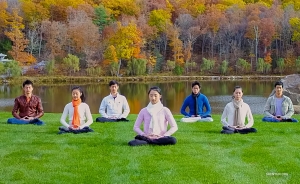
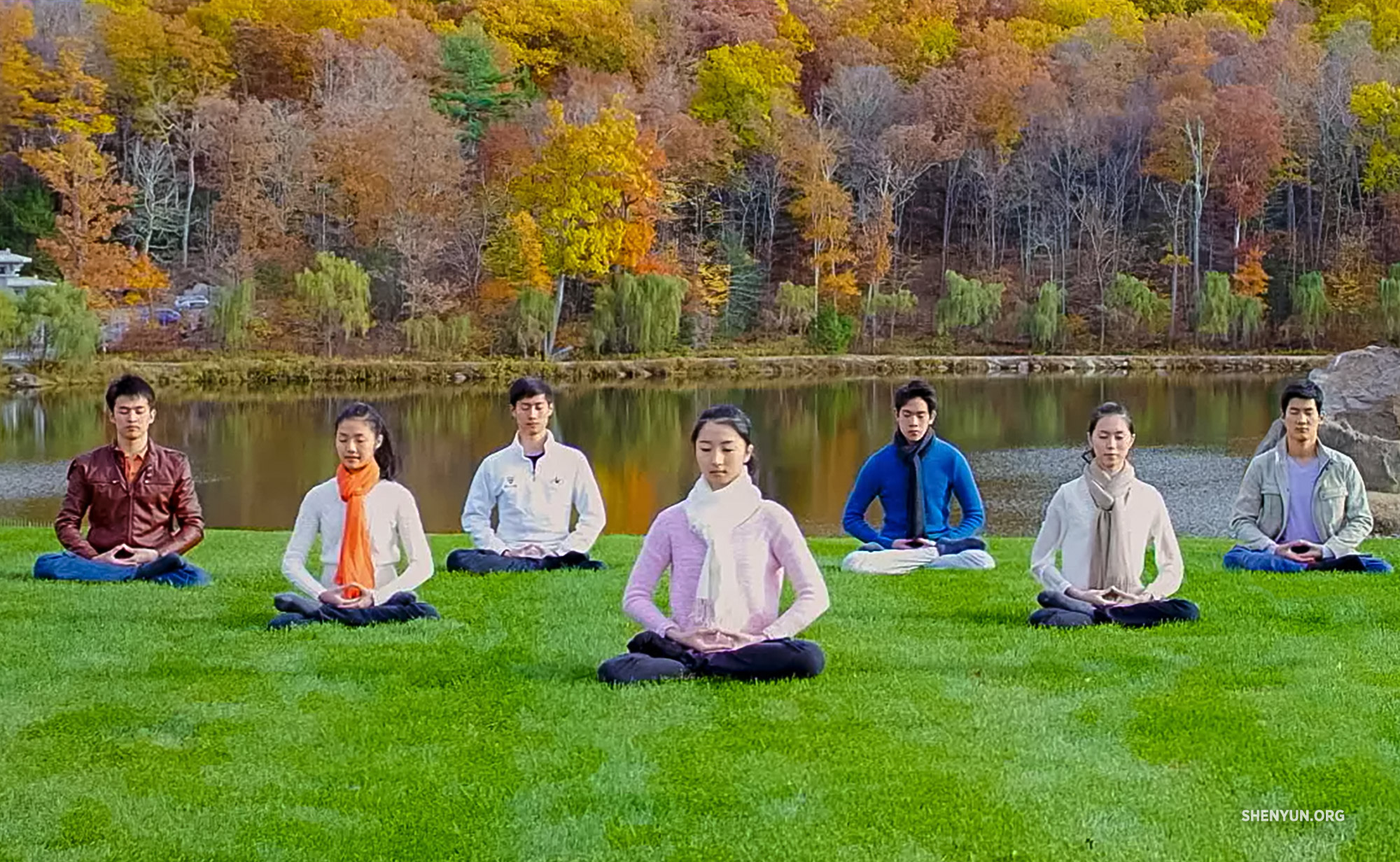
Würden Sie sich etwa 15 Minuten vor einer Aufführung hinter die Kulissen schleichen, würden Sie keine Hektik vorfinden, in der Tänzer herumhüpfen und sich einander abklatschen. Stattdessen würden Sie sie in ihren Kostümen auf der Bühne sitzen sehen, die Augen geschlossen, die Hände gefaltet, meditierend. Man könnte eine Stecknadel fallen hören.
Ein gemeinsamer Glaube ist das Kernstück der Identität von Shen Yun. Er ist Teil der DNA des Ensembles und prägt dessen Kultur, seinen Ethikkodex und den Rhythmus des täglichen Lebens.

Shen Yun wurde im Hudson Valley in New York von Praktizierenden des Falun Dafa gegründet. Das geschah im Jahr 2006, als die bis heute andauernde Verfolgung von Falun-Dafa-Praktizierenden in China einen ihrer dunkelsten Momente erlebte.
Falun Dafa (auch Falun Gong genannt) ist eine buddhistisch geprägte Disziplin, die in der alten chinesischen Spiritualität verwurzelt ist. Sie umfasst sanfte Meditationsübungen sowie die Grundprinzipien Wahrhaftigkeit, Barmherzigkeit und Nachsicht. In den 1990er-Jahren war sie in China so populär geworden, dass die Regierung schätzte, dass sie bis zu 100 Millionen Chinesen praktizierten.
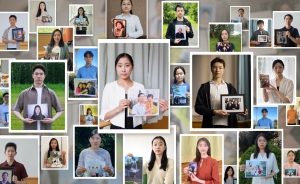
Dies war für die regierende Kommunistische Partei Chinas Anlass genug, die Praxis zu verbieten und eine gewaltsame Verfolgungskampagne zu starten, die Propaganda, Massenverhaftungen, Arbeitslager, Folter und Mord an friedlichen Menschen umfasste.
Außerhalb Chinas nutzten Falun-Dafa-Praktizierende ihre Fähigkeiten, um die Welt auf die Verfolgung aufmerksam zu machen. Unter ihnen befanden sich Spitzenkünstler – einige von ihnen waren der Verfolgung entkommen – die ihre Fähigkeiten nutzen wollten, um den Leidenden in China eine Stimme zu geben. Sie gründeten Shen Yun.
Von alter Schönheit zu moderner Realität
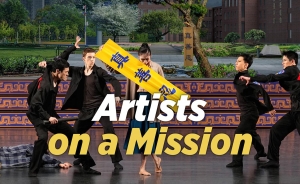
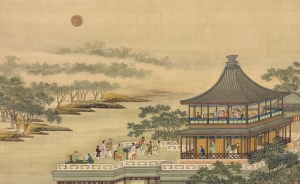
Von Anfang an war es die Mission von Shen Yun, die traditionelle chinesische Kultur wiederzubeleben, um, wie es auf den Plakaten heißt, „China vor dem Kommunismus“ zu zeigen. Jede Aufführung umfasst etwa 15 Tanzstücke, die Geschichten und Legenden, historische Helden, literarische Figuren sowie verschiedene dynastische und ethnische Traditionen zum Thema haben. Daneben enthält jede Show auch einige Tänze über Falun Dafa, die die Tyrannei im heutigen China und den mutigen Widerstand dagegen auf wunderschöne Weise darstellen.
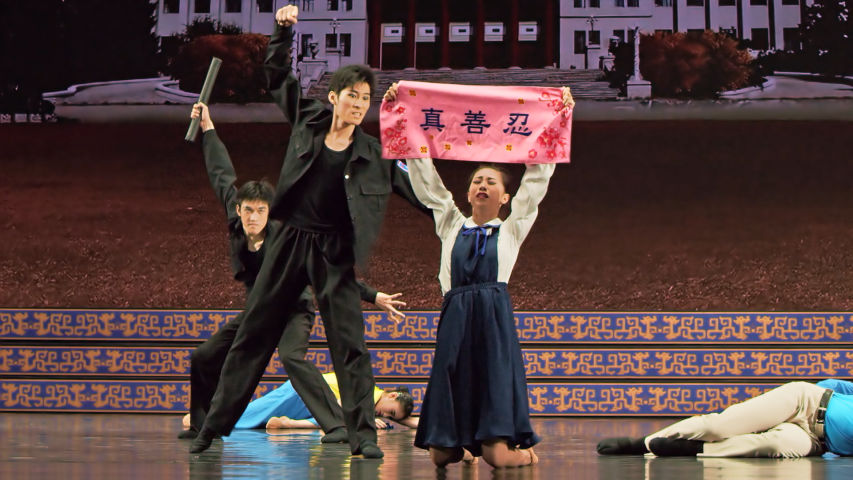
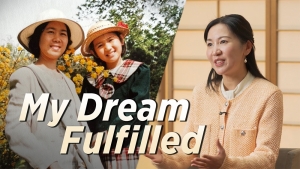
„Seit meiner Kindheit in Taiwan wollte ich etwas tun, um die Verfolgung in China zu stoppen“, sagt Michelle Lian, Erste Tänzerin bei Shen Yun. „Als ich Shen Yun zum ersten Mal in Taipeh sah, wusste ich, dass dies genau das war, was ich tun wollte – tanzen und den Menschen auf der Bühne von der Verfolgung erzählen. Bei Shen Yun mitzuwirken, wurde zu meinem Traum.“
Die Dringlichkeit, die Gräueltaten zu beenden – buchstäblich die Last der sterbenden Menschen – war der Antrieb für einen Großteil der Anstrengungen, die in den Aufbau von Shen Yun geflossen sind.
Wie viele Start-ups mit einer starken Führung und einem Team, das durch einen gemeinsamen Traum vereint ist, wurde Shen Yun von Menschen aufgebaut, die andere Karrieren aufgegeben haben, um sich der Mission anzuschließen, lange Arbeitszeiten in Kauf nahmen und oft als Freiwillige begannen. Ohne staatliche Unterstützung oder große Unternehmenssponsoren wuchs das Unternehmen von einem auf acht gleich große Ensembles, die gleichzeitig um die Welt touren.
„Als ich mich für eine Stelle beim Shen-Yun-Orchester bewarb, wusste ich eigentlich fast nichts über Falun Gong“, sagt die Fagottistin Gabriela Gonzalez-Briceno aus Venezuela. „Ich fand einfach eine Gruppe gutherziger Menschen, die so aufrichtig waren, und schnell begann ich selbst mit dem Praktizieren. Jetzt ist es ein Teil von mir.“
Das Heilige im täglichen Leben
Ein typischer Tag bei Shen Yun umfasst nicht nur Tanzunterricht, Akrobatikübungen, Orchester- und Generalproben, sondern auch das gemeinsame Studium der Lehren von Falun Dafa und das gemeinsame Meditieren.
Über die täglichen Aktivitäten hinaus geht es bei diesem Glauben jedoch ebenso sehr um eine Veränderung der Perspektive.
Ein wichtiger Grundsatz der Praxis von Falun Dafa ist die Idee des „Nach-innen-Schauens“. Dies ähnelt dem Konzept der „extremen Eigenverantwortung“, einem Begriff, der von Navy SEAL Jocko Willink geprägt wurde und bedeutet, persönliche Verantwortung für alles in seinem Leben zu übernehmen. In den spirituellen Begriffen von Falun Dafa geht es darum, bei sich selbst zu suchen, um zu erkennen, wo man Mängel hat und wo man sich verbessern kann, wenn man mit einer Herausforderung oder einem Konflikt konfrontiert ist, auch wenn man nicht direkt davon betroffen ist.
„Da wir alle versuchen, den Prinzipien Wahrhaftigkeit, Barmherzigkeit und Nachsicht zu folgen und bei Problemen bei uns selbst zu suchen, wird unser Leben tatsächlich sehr harmonisch“, sagt die Perkussionistin Alice Liu aus London. „Das heißt nicht, dass wir keine Konflikte haben, natürlich haben wir die. Und es heißt auch nicht, dass wir perfekt sind – das sind wir nicht. Aber die Lehren geben uns einen Mechanismus und eine Kultur an die Hand, wie wir mit Konflikten umgehen und aus diesem Prozess lernen können.“
„Ich bin zu Shen Yun gekommen, weil ich mit anderen jungen Menschen zusammen sein wollte, die denselben Glauben wie ich haben“, sagt der Tänzer Hubert Qu aus Los Angeles. „Hier habe ich meinen Glauben und meine spirituelle Praxis vertieft, zusammen mit meinen Freunden, die für mich wie Brüder sind.“
Eine Besonderheit des Lebens auf dem Campus von Shen Yun, genannt Dragon Springs, ist, dass es dort auch einen atemberaubenden buddhistischen Tempel im Stil der Tang-Dynastie gibt, der seinesgleichen sucht, zumindest außerhalb Asiens. Die Darsteller können nachmittags Spaziergänge in der ruhigen Tempelanlage unternehmen und so eine unmittelbare Verbindung zu ihrer Spiritualität und der alten Zivilisation herstellen, die sie auf der Bühne darstellen.

„Ich kenne tatsächlich einige, die das Gefühl hatten, dass dieser Lebensstil nichts für sie ist“, sagt Qu. „Für sie fühlte es sich an, als wären sie Mönche, und das wollten sie nicht, also beschlossen sie zu gehen. Ich war traurig, sie gehen zu sehen, aber das ist ihre Entscheidung, und ich respektiere das.“ „Ich denke, jeder Mensch ist anders, denn eines der Dinge, für die ich Shen Yun am meisten dankbar bin, ist, dass es mir geholfen hat, spirituell zu wachsen“, sagt er.
Spitzenkunst
Stellen Sie sich nun einen spirituell Suchenden vor, der in einer Turnhalle immer wieder Saltos übt und in einer Schaumstoffgrube landet. Oder vielleicht eine Geigerin, die vier Stunden am Tag in einer schalldichten Kabine Sarasates Zigeunerweisen übt.
Neben der Spiritualität ist die Unternehmenskultur von Shen Yun auch von dem Streben nach künstlerischer Meisterschaft auf Weltklasseniveau geprägt.
„Künstlerische Leistungen sind grenzenlos, es gibt immer eine höhere Ebene, die man erreichen kann“, sagt der Erste Tänzer Roy Chen aus Taiwan. „Es gibt einen chinesischen Ausdruck: Hinter einer Minute auf der Bühne stehen zehn Jahre Training hinter den Kulissen. Es erfordert viel harte Arbeit, damit es leicht aussieht.“
Dieses Konzept ähnelt Malcolm Gladwells Idee, dass es 10.000 Stunden gezieltes Training braucht, um in einem Bereich Meisterschaft zu erlangen. Es ähnelt auch Cal Newports Idee, dass tiefe berufliche Erfüllung dadurch entsteht, dass man in seinem gewählten Bereich Meisterschaft erlangt, und dass man dies durch konsequentes, langfristiges und fokussiertes Engagement erreicht.
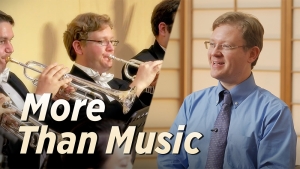
„Wir streben bei jeder Aufführung nach Perfektion, in jedem Aspekt jeder Aufführung“, sagt Konzertmeisterin Nika Zhang aus Pittsburgh. „Was uns wirklich motiviert, ist, dass wir möchten, dass das Publikum vollständig in die Welt der Aufführung eintaucht, und dafür muss alles genau richtig sein – und auf höchstem Niveau.“

„Selbst wenn die Zuschauer die Show regelmäßig als perfekt beschreiben, werden Sie überrascht sein, dass wir nach jeder Show eine Nachbesprechung haben und immer Bereiche finden, die wir verbessern können“, sagt sie.
Ob es nun das harmonische Zusammenspiel des Orchesters oder die perfekt synchronen Bewegungen der Tänzer sind – es erfordert nicht nur Teamarbeit und Zusammenhalt, sondern auch, das Ego loszulassen und sich einander zu unterstützen. Hier macht es ein gemeinsamer Glaube viel einfacher, da das Ziel größer ist als das eigene Ich.
„Ich versuche, mich nicht auf mich selbst, sondern auf das Team zu konzentrieren, damit wir es gemeinsam gut machen“, sagt die Erste Tänzerin Nara Oose aus Japan. „Als ich zu Shen Yun kam, nahmen mich die erfahrenen Tänzer unter ihre Fittiche und hielten mich manchmal buchstäblich an der Hand. Selbst wenn wir zu Wettbewerben fahren, feuern wir uns ständig gegenseitig an und geben uns Feedback.“
„Es geht nicht darum, einen bestimmten Platz zu erreichen, sondern darum, sich weiterzuentwickeln und sich einander zu helfen, das Beste aus sich herauszuholen“, sagt Oose.
Die Mentalität eines Sportlers
Der klassische chinesische Tanz ist sehr athletisch, weshalb seine körperlichen Anforderungen am ehesten mit Sportarten wie Turnen vergleichbar sind. Er zeichnet sich durch Flexibilität sowie explosive Saltos und Turntechniken aus. Shen Yun und die Fei-Tian-Schulen, an denen die Darsteller ausgebildet werden, sind wie Spitzensportprogramme: Sie verfügen über modernste Trainingsanlagen, Trainer, Videoräume und eine medizinische Versorgung.

„Ich bin als Basketballspieler und großer Fan von Kobe Bryant aufgewachsen und habe versucht, von seiner Mamba-Mentalität zu lernen“, sagt Tänzer Huang. „Bryant war dafür bekannt, dass er trotz Verletzungen spielte, und viele Menschen bewunderten ihn dafür.“
„Ich denke, als Tänzer haben wir vielleicht diese Mentalität, dass wir durchhalten und auch mit kleinen Verletzungen auftreten können, wenn es sein muss. Aber wir haben gelernt, dass das für eine Tanzkarriere, in der man 100 Shows pro Jahr hat und dem Publikum sein Bestes geben will, wirklich nicht nachhaltig ist“, sagt er.
Verletzungen überwinden
„Vor ein paar Jahren begann meine Achillessehne zu schmerzen, und ich wollte weitermachen“, sagt Huang.
„Aber es war eigentlich meine Trainerin, die mir sagte, ich solle meine Karriere als Marathon und nicht als Sprint betrachten. Sie zwang mich, mich auszuruhen und zu erholen, und ich bin ihr sehr dankbar dafür.“
Tänzer wie Sam Pu haben über Operationen, Reha und ihre Rückkehr zum Ensemble gesprochen. Auch Erste Tänzer wie Aaron Huyhn, Chad Chen und Shawn Ren haben sich einer Operation unterzogen.
„Wir haben Hunderte von Tänzern, die jedes Jahr auf der Bühne stehen“, sagt der Erste Tänzer Jesse Browde, der in New York aufgewachsen ist. „Es ist wie im Profisport. Man tut sein Bestes, um Verletzungen zu vermeiden, aber von Zeit zu Zeit kommt es trotzdem dazu. Ich hatte in den letzten sieben Jahren kleinere Verletzungen, habe mich davon erholt und weitergemacht.“
Herausfordernde Momente können nicht nur durch Verletzungen entstehen, sondern auch durch Jetlag, schnarchende Mitbewohner oder einfach nur durch die tägliche Routine, die sich wie in „Und täglich grüßt das Murmeltier“ wiederholt. Es braucht eine besondere Art von Mensch, um diesen Lebensstil zu führen. Diejenigen, die sich dafür entscheiden, lieben ihn und bleiben dabei – trotz der Schwierigkeiten.
„Wie wir leben“
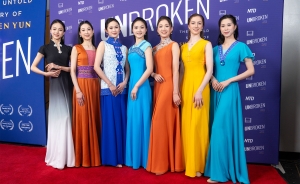
„Die Tänzerinnen zu meiner Linken und Rechten sind für mich wie Schwestern, wirklich“, sagt Shindy Cai aus Sacramento. „Ich bin als Einzelkind aufgewachsen, aber hier habe ich eine große Familie gefunden.“
„Es ist jedoch mehr als das. Wir haben die gemeinsame Mission, die traditionelle Kultur wiederzubeleben, und so ist es nicht nur etwas, das wir tun, sondern wie wir leben“, sagt Cai.
Wenn das Publikum von der Darstellung der Tänzer bewegt ist, die Helden verkörpern, die für ihre Loyalität, ihren Mut oder ihren Glauben bekannt sind, dann liegt das nicht nur an ihrer Kunstfertigkeit, sondern auch daran, dass diese Werte von den Künstlern verinnerlicht wurden und Teil ihrer Persönlichkeit sind. In gewisser Weise spielen sie nicht wirklich eine Rolle.
„Unser Ensemble ist eine auf Glauben basierende Organisation, und ich denke, dass unsere Kunst dadurch besser wird“, sagt die Projektionistin Regina Dong, die in China geboren wurde, dann nach Singapur und schließlich in die Vereinigten Staaten zog. „Unsere Spiritualität inspiriert uns, wir tragen sie in unseren Herzen und versuchen dann, das Publikum zu inspirieren.“
„Wir versuchen eigentlich nicht, jemanden zu unserem Glauben zu bekehren. Was wir wirklich wollen, ist, die Verfolgung in China zu beenden, den Menschen Hoffnung zu geben und etwas zu vermitteln, das wirklich gut und erhebend ist.“
22. Juli 2026